
DEEN
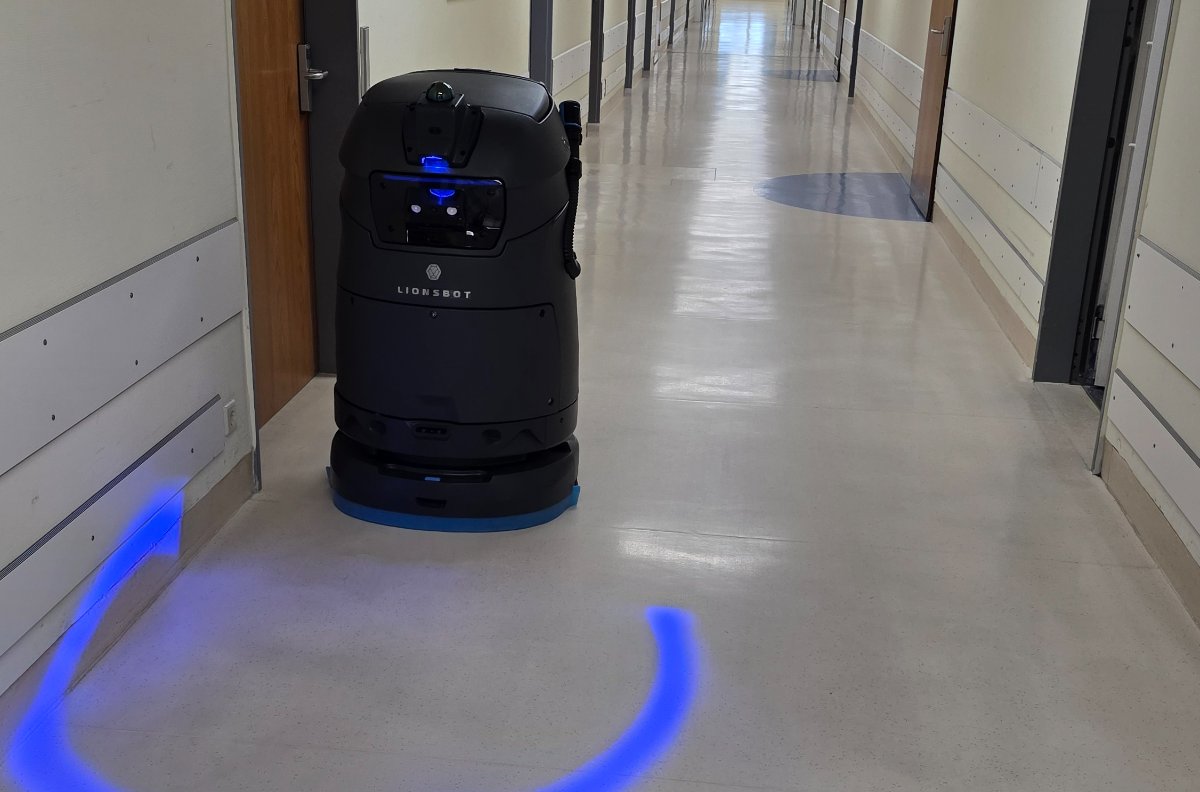
Staff shortages hit hospitals twice: in cleaning and in logistics. Autonomous scrubber-dryer robots keep public areas clean with full documentation, while transport and service robots take over errands – scheduled, repeatable and backed by binding service.
Cleaning and logistics positions remain unfilled, and absences have to be covered at short notice. The base workload still runs every single day.
Corridors, entrance areas and waiting zones must be cleaned reliably and verifiably. Manual cleaning is hard to document – robots deliver a report for every run.
Errands and material transports cost time that is then missing in care and treatment. Recurring point-to-point routes can be automated.
Public areas, storage and logistics routes: we combine cleaning and transport into one concept that fits your facility's workflows and hygiene requirements.
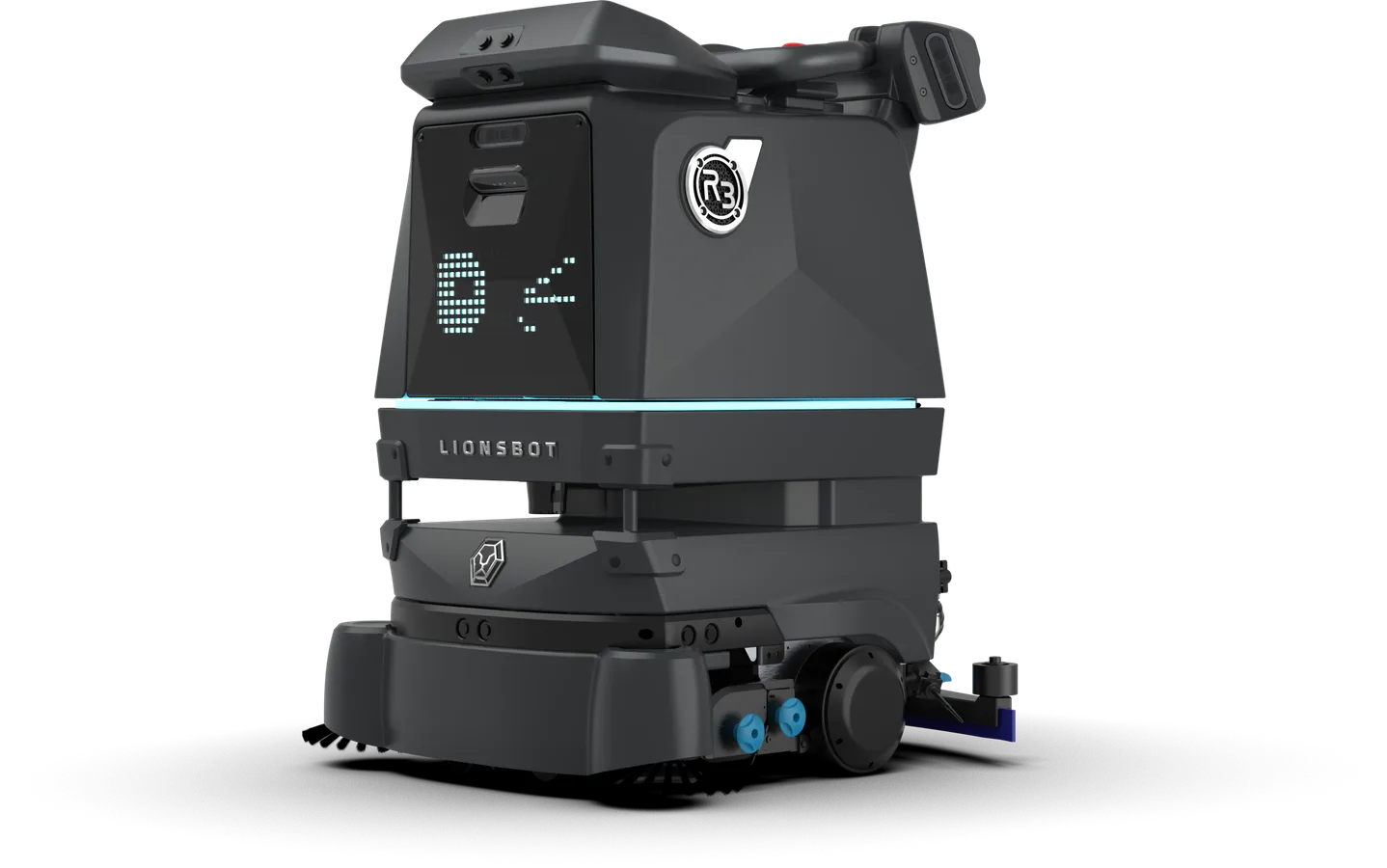
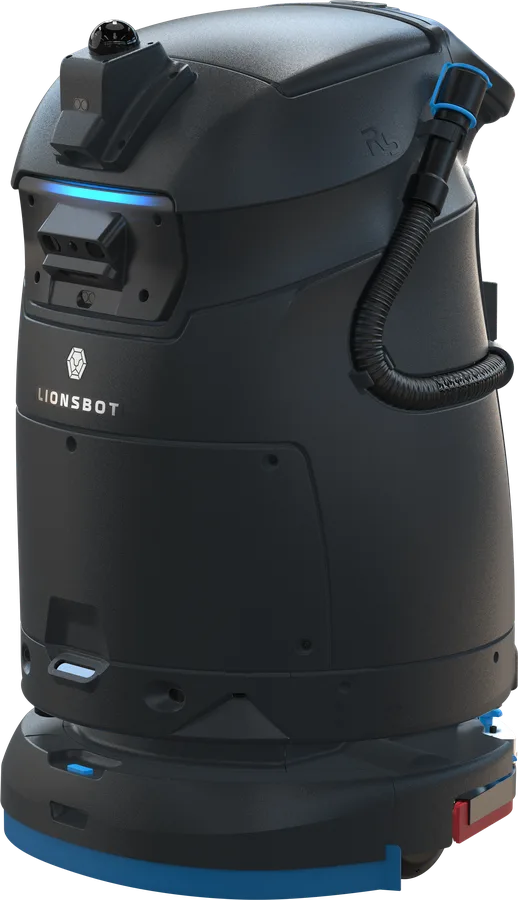
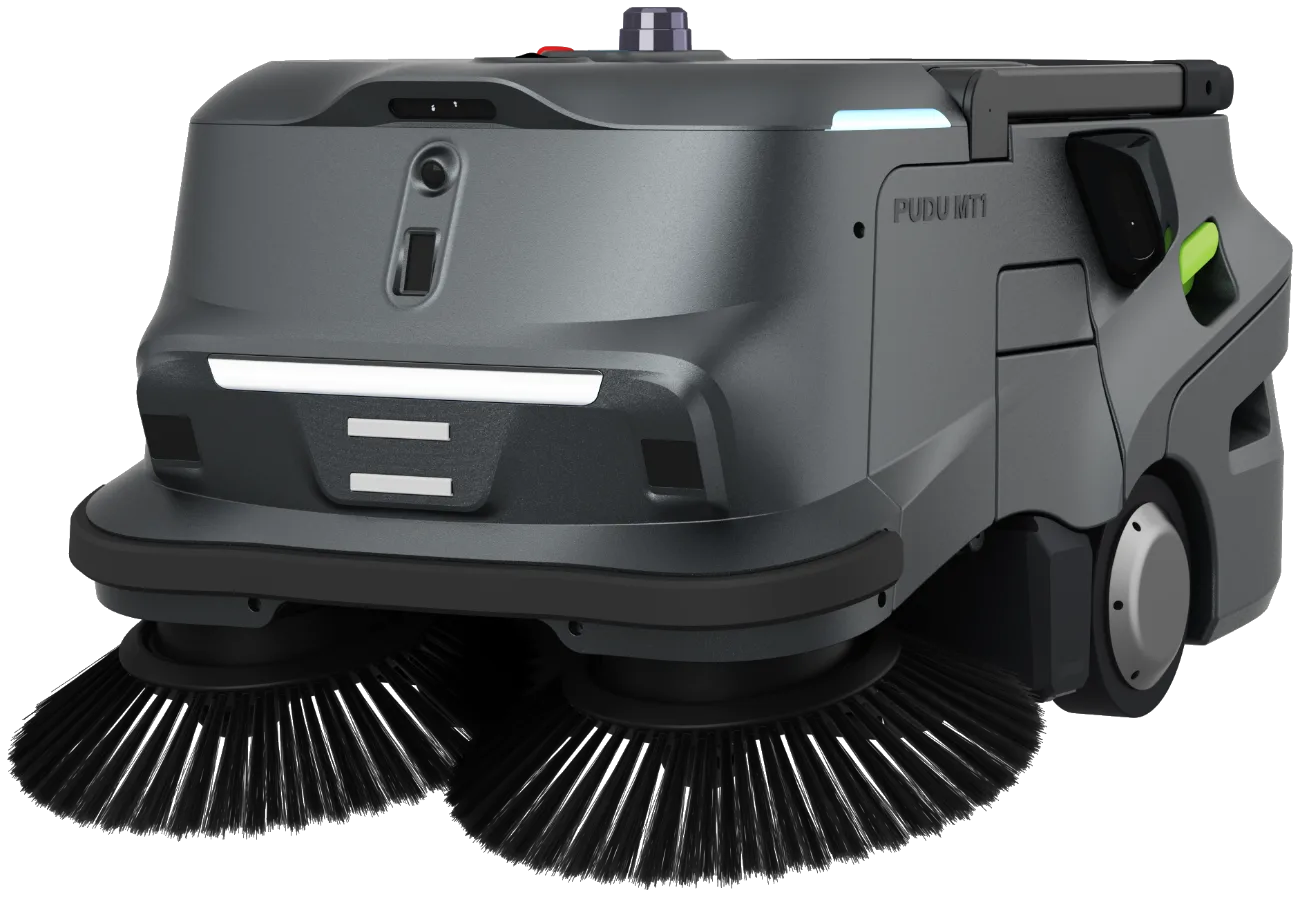
Hardly any sector feels the staff shortage as directly as healthcare – and hardly any has higher demands on reliability and traceability. That is why autonomous cleaning robots are deployed in hospitals first where large public areas need to be cleaned every day: entrance halls, main corridors, waiting areas. They work to a fixed schedule, document every run and make cleaning performance objectively verifiable for the first time.
The greatest benefit comes from large, publicly accessible circulation areas: corridors, entrance areas, waiting zones, the cafeteria. Sensitive areas such as operating theatres, intensive care or isolation wards remain with the established manual processes – we define this together with hygiene and housekeeping teams during the site analysis. The robots clean the agreed routes only.
Every run generates a report with cleaned area, route and duration. These reports can be used for internal quality assurance and as evidence for operators and auditors – a point where manual cleaning structurally cannot keep up.
The robots' cameras and sensors are used for navigation and obstacle avoidance. On request, we provide the IT department, data protection officers and the works council with the complete documentation of the systems in use, and clarify network integration and approvals before the roll-out – not afterwards.
The robot takes over the routine maintenance cleaning of public corridors and areas. Certified surface disinfection in line with the hygiene plan remains a separate, coordinated task.
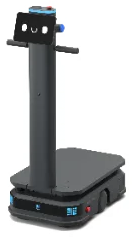
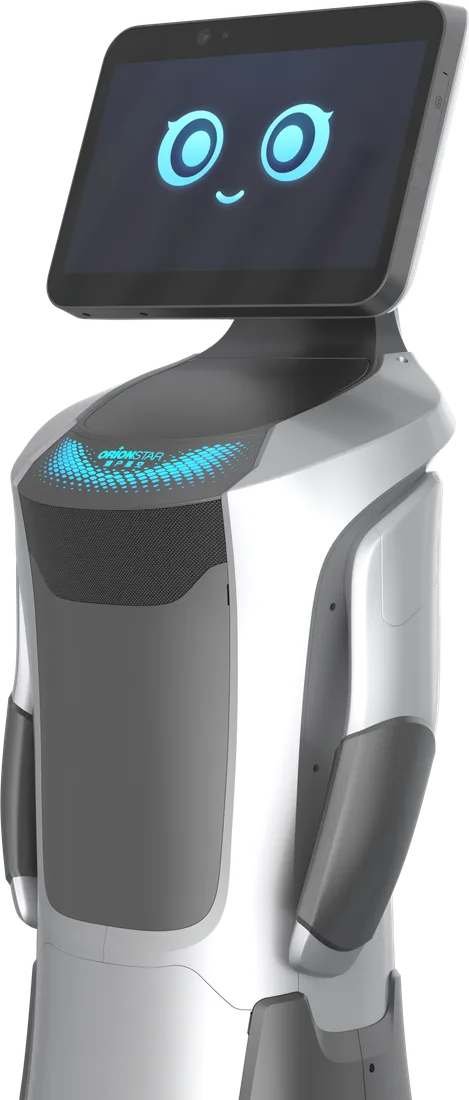
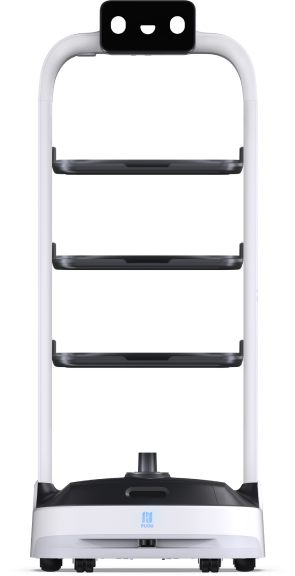
Alongside cleaning, transport robots can take over recurring routes – such as material supply between storage and ward – relieving care staff of travel time.
For tenders we provide the necessary documents: technical specifications, data protection and security documentation, plus an operations and service concept for your facility.
Consultation and on-site demonstration – free of charge and without obligation.
What is it about?
So your enquiry reaches the right team straight away.
Interested in a productEnquiry in under a minute – reply within one working day Book a consultationPick a slot directly in the calendar Support for my machineVia WhatsApp to our support team