
DEEN

In-house transport ties up skilled workers; dust and abrasion put workplace safety and quality at risk. We combine transport robots for recurring material routes with autonomous production hall cleaning – integrated into your shift operations.
Well-trained employees spend hours moving material and small parts between stations – time that is missing at the machine.
Dust, swarf and abrasion increase slip and quality risks. Regular, verifiable cleaning is part of workplace safety – and barely achievable with today's staffing levels.
Automation must not disrupt the production rhythm. Routes, time windows and handover points have to fit your operations – not the other way round.
From small-parts transport to XXL production hall cleaning: we put together the combination that fits your layout, loads and shift model.
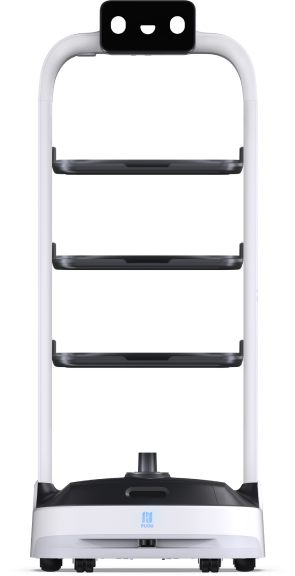
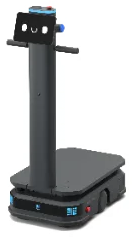
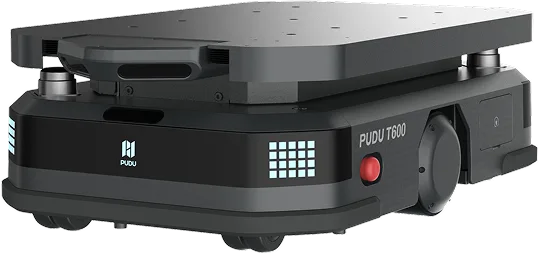
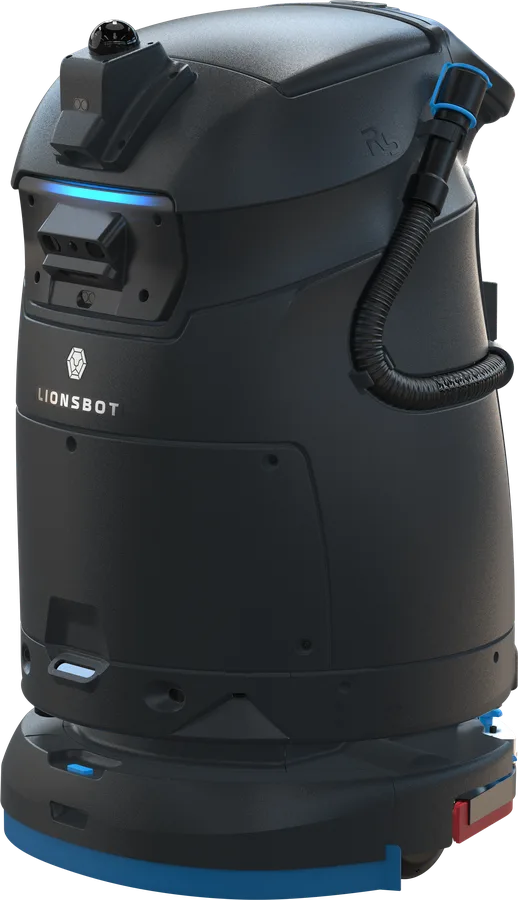
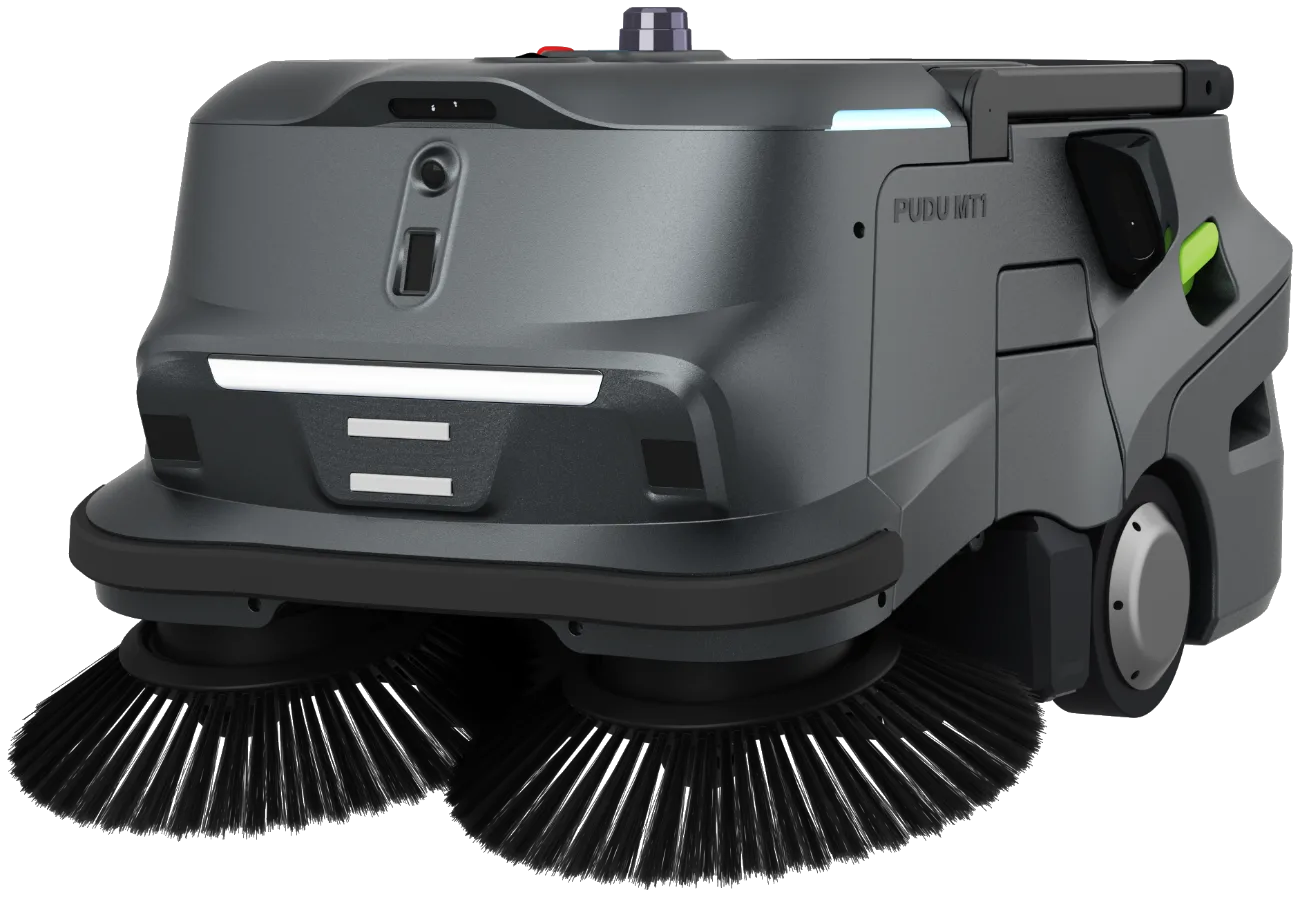
Manufacturing companies have been automating for decades – but mostly at the line, not around it. The routes in between, daily floor cleaning, replenishing material at the stations: in many places this still runs manually, with staff that simply no longer exist. Mobile robotics closes this gap without structural alterations: transport robots learn your routes, cleaning robots learn your areas – and both fit into your existing shift operations.
Recurring point-to-point routes with predictable volumes: material to the line, finished parts to quality assurance, empties back to the warehouse. Depending on load and load carrier, the agile PuduBot 2, the T Series or the T600 comes into play – we make the selection based on your real routes and weights in the site assessment.
The robots detect people and obstacles via sensors and give way or stop. In addition, we plan travel routes and right-of-way rules together with your health and safety team – including the question of where robots operate and where they deliberately do not. Safety concept before commissioning, not after.
One partner instead of two isolated solutions: the same site assessment, the same service network, one point of contact. Our remote team monitors all machines; technicians and spare parts come from our DACH-wide network – for the fleet, not per device.
Transport robots work with defined handover points and common load carriers. Which containers and stations are suitable is clarified during the site assessment.
The systems can be integrated into existing processes and, where useful, into existing infrastructure – the exact scope is assessed on a project-by-project basis.
The LionsBot cleaning robots are designed for data minimisation: the cameras are used for navigation and obstacle detection. The footage is processed locally on the machine, retained only briefly (up to 24 hours) and not uploaded to a cloud. Fleet and cleaning data (reports, status) run through the LionsCloud. This keeps autonomous cleaning on the factory floor controllable from a data protection perspective as well – an advantage particularly in security-sensitive production environments. Note: these details refer to the LionsBot cleaning robots. For the transport robots deployed (Pudu), the respective manufacturer specifications apply, which we go through with you in the site assessment.
That depends on the model – from the agile PuduBot 2 for small parts to the T600 for heavy loads. You will find the exact payloads on the respective product pages; which class you need follows from your real load carriers and weights in the site assessment.
On-site consultation and demonstration – free of charge and without obligation.
What is it about?
So your enquiry reaches the right team straight away.
Interested in a productEnquiry in under a minute – reply within one working day Book a consultationPick a slot directly in the calendar Support for my machineVia WhatsApp to our support team