
DEEN
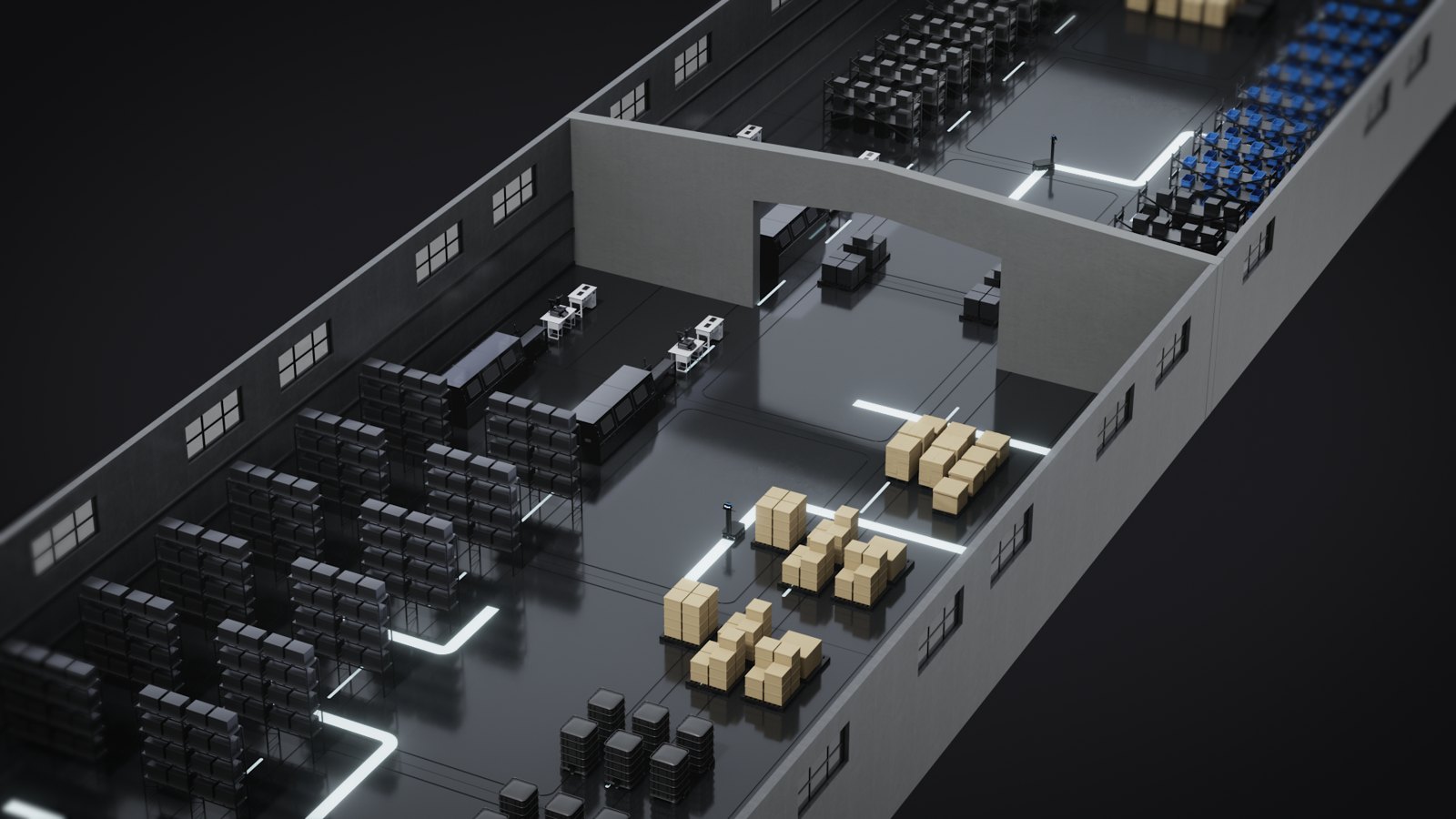
Dust and abrasion across thousands of square metres, transport runs between fixed stations, staff for monotonous tasks hard to find: logistics is where robotics plays to its full strengths. We deliver the concept – from warehouse cleaning to material flow.
Tyre abrasion, cardboard dust and film residue spread across the floor anew every day. Manual cleaning struggles to keep up – or simply doesn't happen.
Forklifts, order pickers and pedestrians share the same routes. Cleaning needs clear routes and time windows that don't slow operations down.
For pure driving and transport tasks, staff are hard to find and expensive to deploy. Recurring runs are the classic case for automation.
Pre-sweeping, wet cleaning, transport: the combination makes the difference – matched to floor area, soiling and your operating hours.
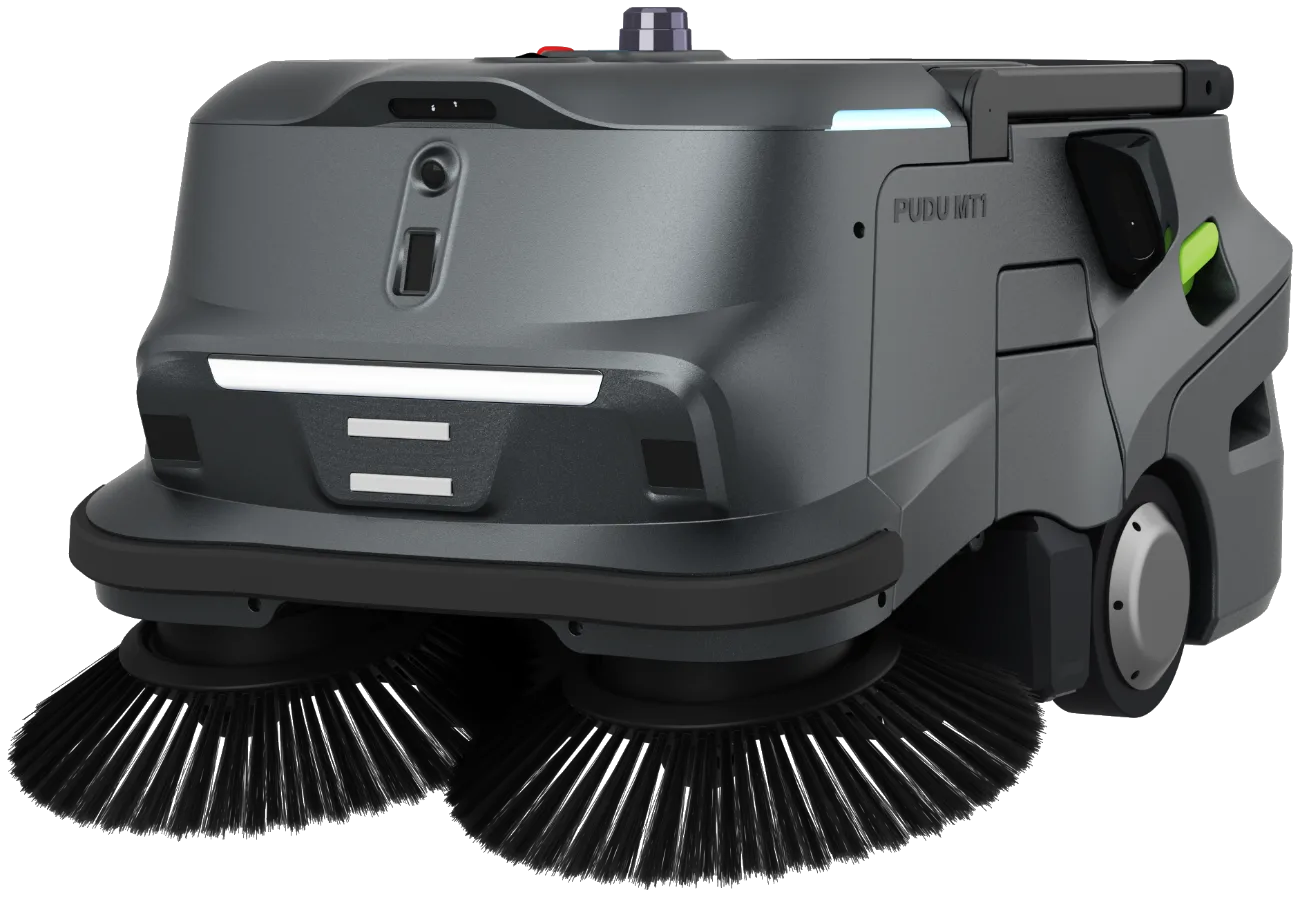
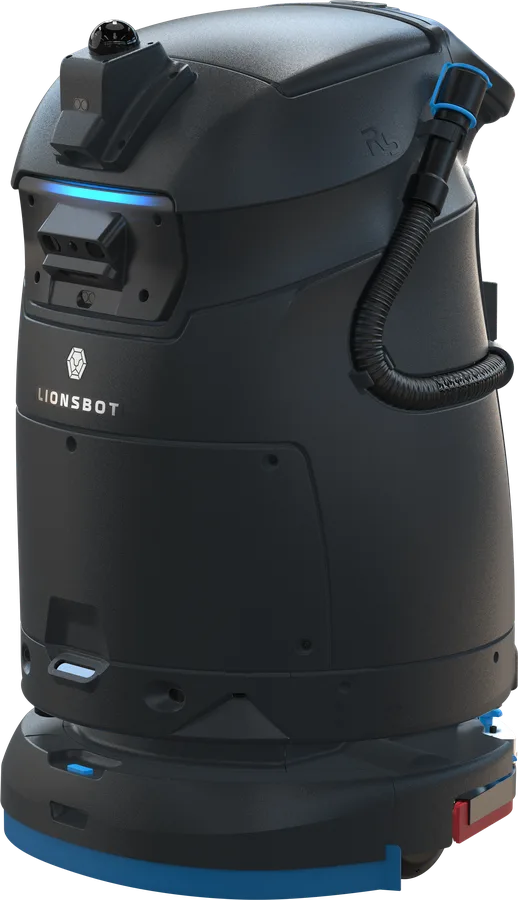
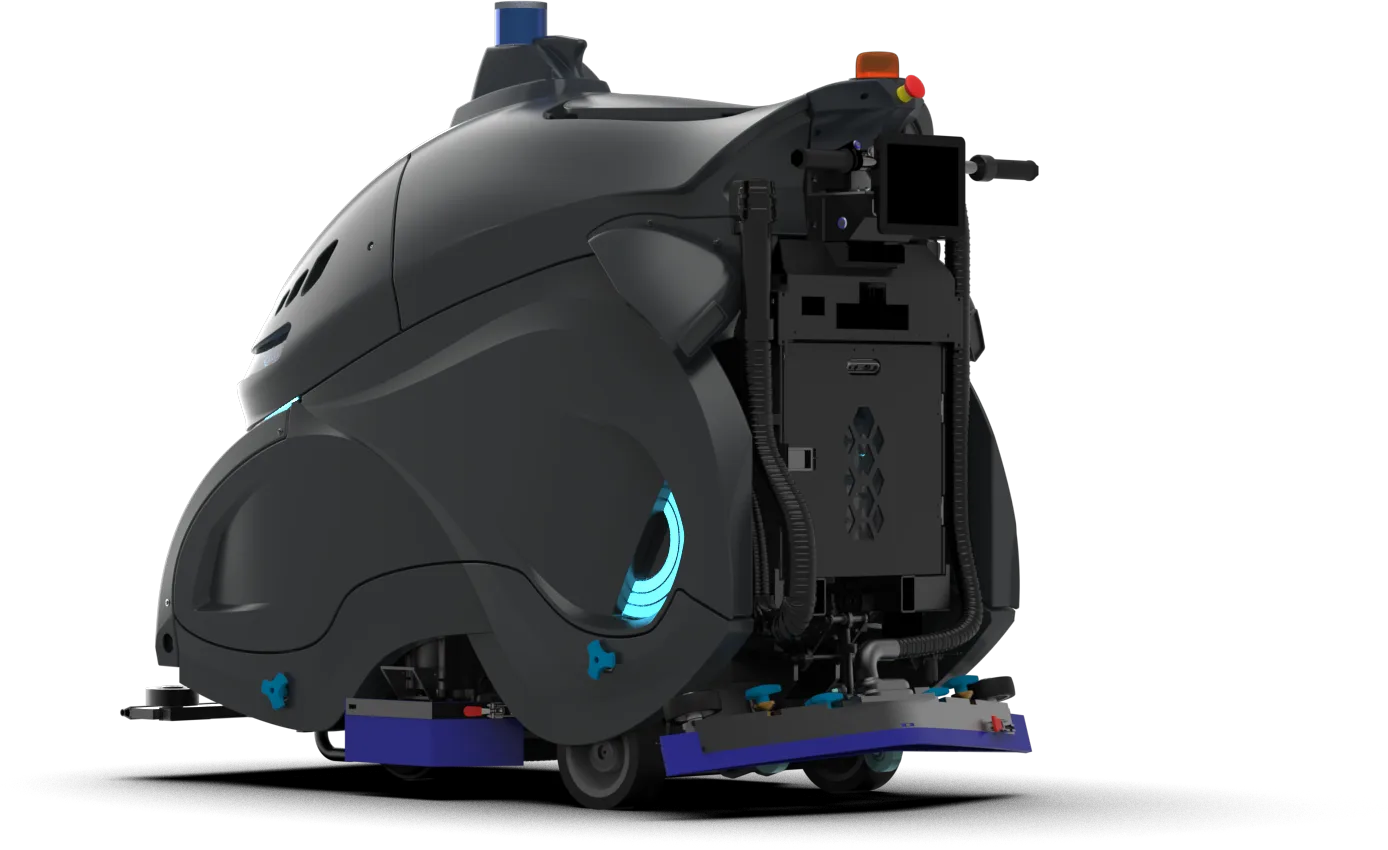
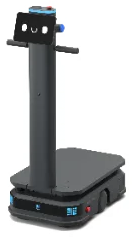
A logistics operation combines the MT1 for pre-sweeping dust and dry dirt with the R3 for the subsequent wet clean. The robots follow defined routes in low-traffic time windows – keeping the floor permanently at a standard that was not achievable manually.

Logistics floors are made for autonomous cleaning: large contiguous surfaces, clear travel routes, recurring soiling. At the same time, hardly any environment is as dynamic – forklifts, swap bodies, seasonal peaks. The key therefore lies not in the machine but in the concept: which areas, which time windows, which combination of sweeping and wet cleaning. That is exactly our job as an integrator.
Usually both, in this order: a sweeping robot such as the MT1 picks up loose dirt and dust, then a scrubbing robot such as the R5 removes abrasion and bonded dirt. Where only dust accumulates, sweeping is enough; where forklifts leave abrasion behind, wet cleaning is required. The right combination follows from the floor type and the soiling pattern.
The robots detect obstacles and people and give way – yet we deliberately plan routes and time windows around your operations: cleaning in low-traffic phases, clear travel routes, agreed right-of-way rules. We define this in the site assessment together with your operations management and health and safety team.
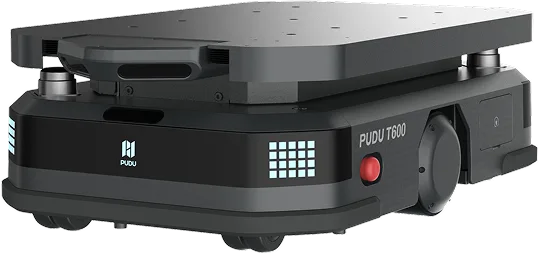
Transport robots of the T Series take over recurring point-to-point runs: picked goods to the packing station, empties back, material to the line. Your staff are spared the walking, goods move on a predictable schedule – and the robots run as long and as often as the operation demands.
Scrubbing robots work on typical warehouse floors such as concrete and coated industrial floors. We check the suitability of your floor during the site assessment.
The LionsBot cleaning robots are connected via their own SIM card and do not require site-wide customer Wi-Fi – an advantage in large warehouses.
The machines work with all-round sensors and stop when someone approaches. As electrical equipment they are subject to DGUV V3 inspection, which – like the annual maintenance – is part of our service package.
Consultation and on-site demonstration – free of charge and without obligation.
What is it about?
So your enquiry reaches the right team straight away.
Interested in a productEnquiry in under a minute – reply within one working day Book a consultationPick a slot directly in the calendar Support for my machineVia WhatsApp to our support team