
DEEN
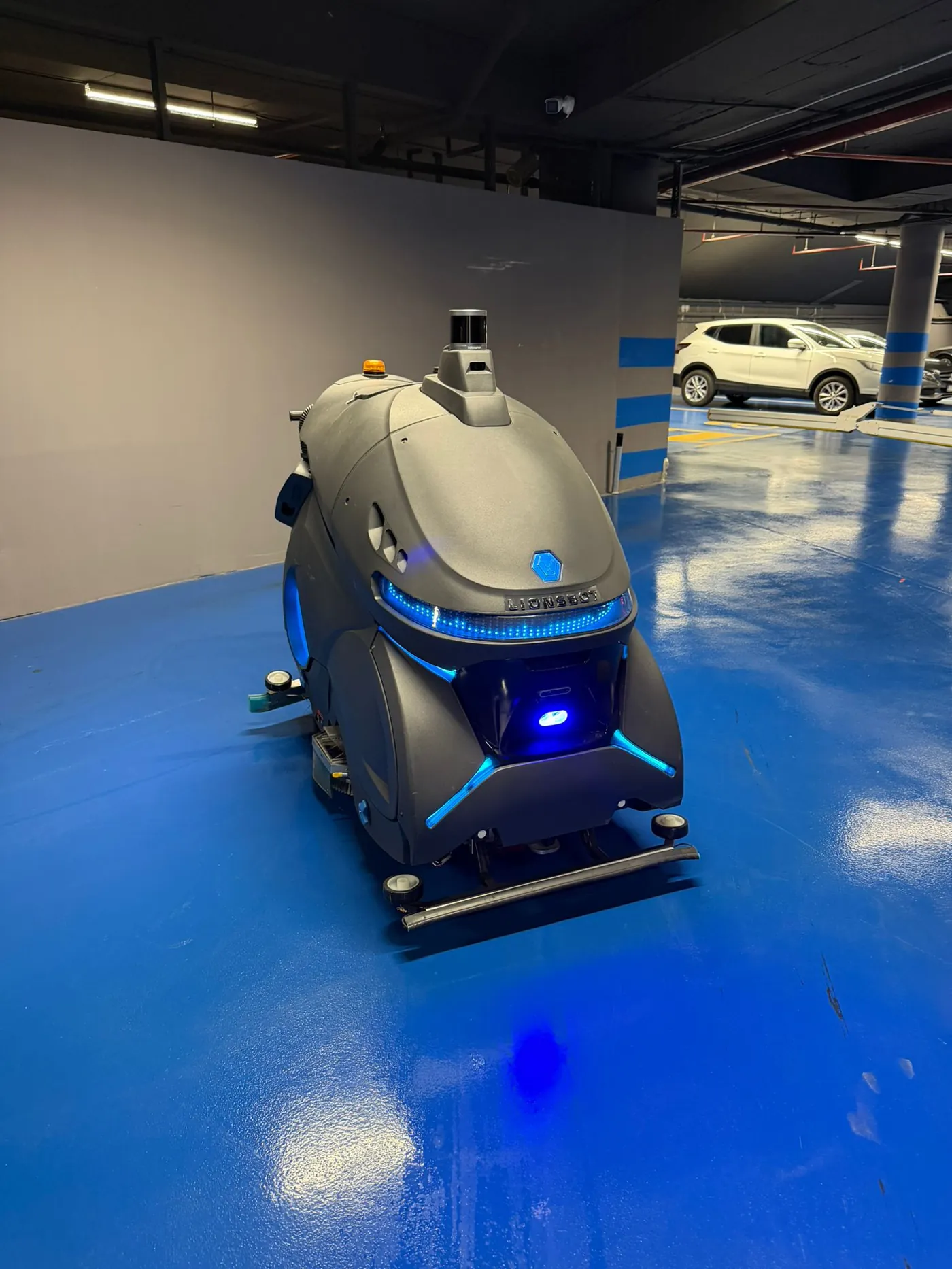
Hardly any site is as well suited to autonomous cleaning as a parking deck: large contiguous areas, few obstacles, cleaning outside peak hours. Yet most parking facilities are rarely cleaned – because staff for the job are almost impossible to find. That is exactly where we come in.
Tyre abrasion, dust and grit from winter road treatment collect on the decks and are spread further by every vehicle. Without regular cleaning, the site quickly looks neglected.
Large areas, unappealing working hours, staff that are hard to find: manual deep cleaning often takes place only a few times a year – as a costly one-off operation.
Car parks largely run unmanned. A cleaning solution has to work independently – and be monitorable remotely.
From sweeping to wet cleaning: the combination depends on your site's area, level of soiling and traffic routing – clarified in a short site assessment.
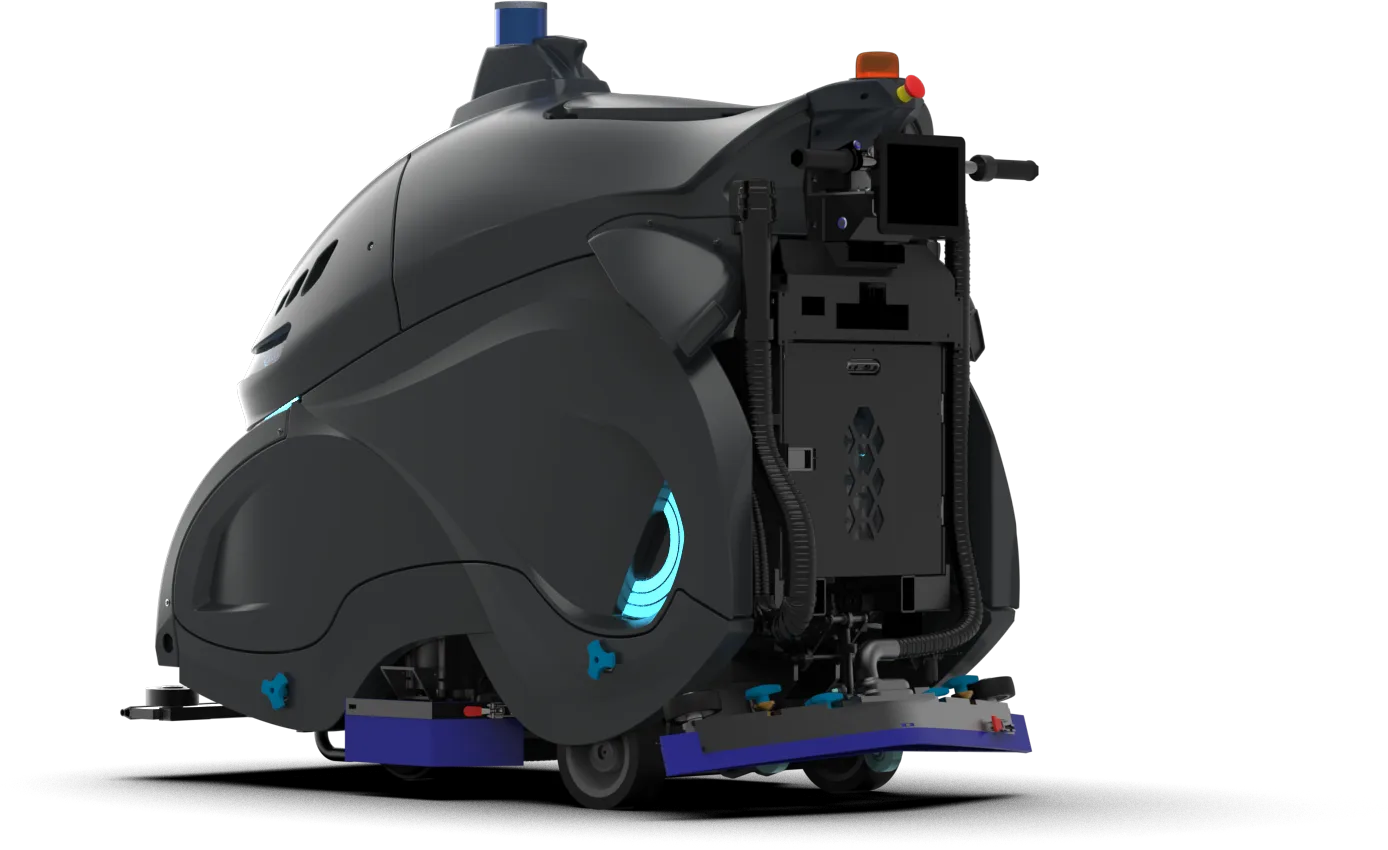
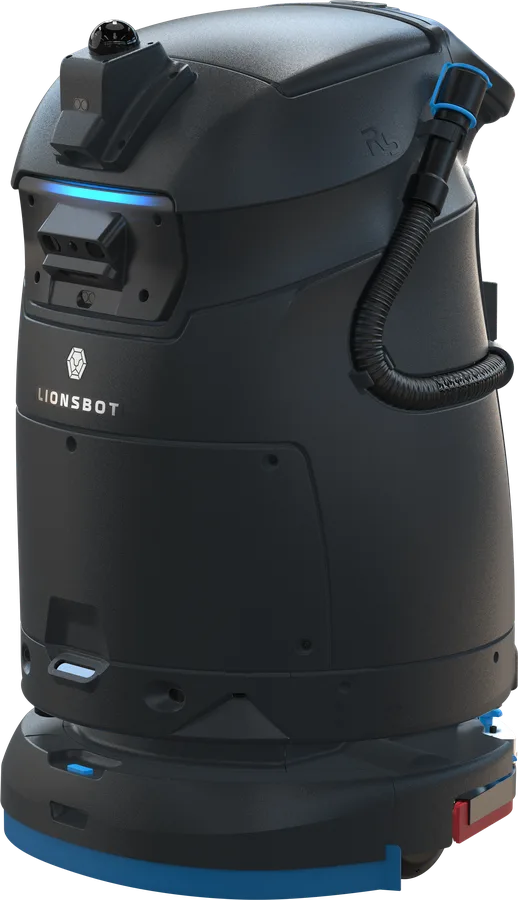
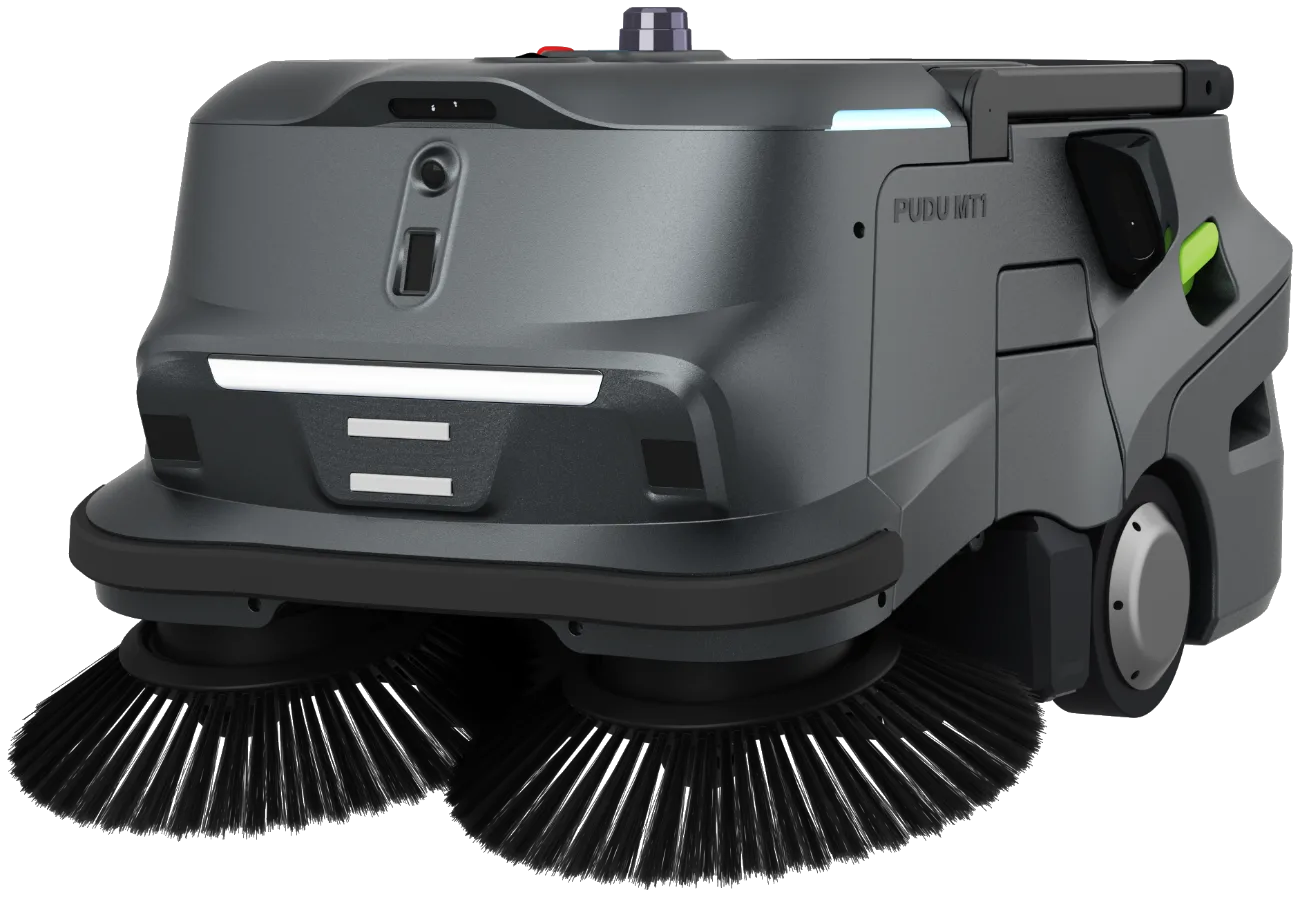
Car parks and underground car parks are almost ideal for autonomous cleaning: the areas are large and contiguous, the obstacles predictable, and at night the site is virtually empty. At the same time, the pressure is real – a dirty car park shapes the impression of a property, shopping centre or district. Autonomous scrubbing and sweeping robots turn the infrequent deep clean into a regular, documented routine.
Because the three biggest cost drivers of manual cleaning fall away here: the area is large (the robot plays to its cleaning rate), the site is empty at night (no need to work around public traffic) and the cleaning repeats identically (routes set up once run permanently). That is why we list car parks and underground car parks as a quick win among our industry solutions.
That depends on traffic, season and the operator's standards – from a weekly interval to daily routine cleaning of heavily used levels. The advantage of robotics: a higher frequency does not mean proportionally higher costs, because no staff are tied up per run. We determine the right interval in the concept phase.
Columns and fixed installations are uncritical for navigation – they are captured in the map and driven around. Ramps, gradients, barrier areas and traffic routing are checked per site in the site assessment, where we define which levels and zones the robot travels and how it is parked and charged between runs.
Large, open decks with few obstacles are well suited to autonomous cleaning outside peak hours. Operating limits – for temperature and open decks, for example – are clarified per model and site.
As the LionsBot machines are connected via SIM, we check mobile coverage in underground car parks in advance and align the connectivity accordingly.
The robot takes over the recurring floor cleaning; heavy soiling and special cases remain with the service provider – a predictable division of labour.
On-site consultation and demonstration – free of charge and without obligation.
What is it about?
So your enquiry reaches the right team straight away.
Interested in a productEnquiry in under a minute – reply within one working day Book a consultationPick a slot directly in the calendar Support for my machineVia WhatsApp to our support team